




Introduction to Indoor Air Quality
Indoor air quality has become an increasingly important topic in modern living. While many people focus on outdoor pollution, studies show that indoor air can often be more polluted than the air outside. This is due to limited ventilation, accumulation of dust, and the presence of various airborne contaminants.
As people spend more time indoors, especially in urban environments, maintaining clean air inside homes and workplaces is essential for overall health and comfort.
What is an Air Purifier
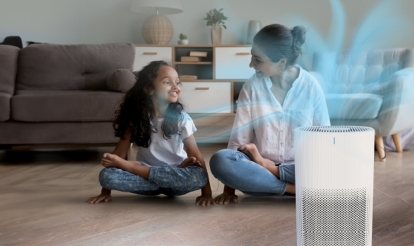
An air purifier is a device designed to remove contaminants from the air within a confined space. It works by drawing in air, passing it through filtration systems, and releasing cleaner air back into the environment.
Modern air purifiers are equipped with advanced technologies that can capture microscopic particles, neutralize odors, and improve overall air quality.
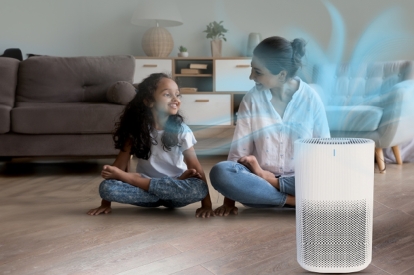
Common Indoor Air Pollutants
Indoor air contains a variety of pollutants that can negatively impact health. These include dust, pollen, pet dander, mold spores, bacteria, and volatile organic compounds (VOCs).
Sources of these pollutants can range from household cleaning products and furniture to cooking and outdoor air infiltration. Over time, these contaminants accumulate and affect the indoor environment.
How Air Purifiers Work
Air purifiers operate through a combination of mechanical and chemical filtration processes. The most common technology used is HEPA filtration, which is capable of capturing particles as small as 0.3 microns.
Activated carbon filters are often used alongside HEPA filters to absorb odors and harmful gases. Some systems also include ionizers or UV technology to further enhance purification.
HEPA Filtration Explained
HEPA (High Efficiency Particulate Air) filters are considered the gold standard in air purification. They can remove up to 99.97 percent of airborne particles, including dust, allergens, and fine particles such as PM2.5.
This makes HEPA filtration particularly effective for individuals with allergies or respiratory sensitivities.
Health Benefits of Air Purifiers
Using an air purifier can significantly improve respiratory health by reducing exposure to harmful airborne particles. It can help alleviate symptoms of allergies, asthma, and other respiratory conditions.
Cleaner air also contributes to better sleep quality, improved concentration, and overall well-being.
Air Purifiers and Modern Lifestyle
In modern urban environments, air purifiers have become an essential part of daily living. Increased pollution levels, closed indoor spaces, and lifestyle habits all contribute to declining air quality.
Air purifiers provide a practical solution by continuously improving indoor air conditions without requiring major lifestyle changes.
Air Purifier vs Ventilation
While natural ventilation can help improve air quality, it is not always sufficient, especially in polluted urban areas. Opening windows may introduce outdoor pollutants into the indoor space.
Air purifiers offer a controlled and consistent way to clean indoor air regardless of external conditions.
Smart Air Purifier Features
Modern air purifiers are equipped with smart features such as air quality sensors, automatic modes, and digital displays. These features allow the device to adjust performance based on real-time air conditions.
Some systems also include connectivity options, enabling remote control and monitoring.
Energy Efficiency and Noise Considerations
Energy efficiency is an important factor when choosing an air purifier, especially for continuous operation. Advanced systems are designed to consume minimal power while maintaining high performance.
Low noise operation is also essential, particularly for use in bedrooms and offices.
Kronex AirPure™ Technology
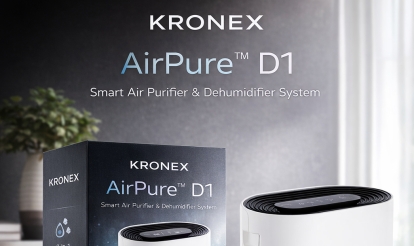
Kronex AirPure™ systems are designed to deliver efficient air purification through advanced multi-layer filtration and smart sensing technology. These systems combine performance, reliability, and modern design to meet the needs of contemporary living spaces.
With a focus on user experience, AirPure™ integrates seamlessly into everyday environments while maintaining high purification standards.
Choosing the Right Air Purifier
Selecting the right air purifier depends on several factors, including room size, air quality conditions, and specific needs such as allergy control or odor removal.
It is important to consider filtration technology, coverage area, and additional features when making a decision.
Maintenance and Filter Replacement
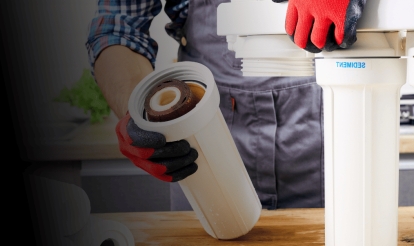
Regular maintenance is essential for ensuring optimal performance. Filters should be replaced according to manufacturer recommendations to maintain efficiency and air quality.
Proper care extends the lifespan of the device and ensures consistent results.
Environmental Impact
Air purifiers can contribute to a healthier indoor environment without relying on chemical solutions. This makes them a more sustainable option for improving air quality.
By reducing airborne pollutants, they also help create safer living conditions for families.