





Introduction to RO Filter Maintenance
Reverse osmosis systems are among the most effective water purification solutions available today. However, their performance depends heavily on proper maintenance, especially timely filter replacement.
Understanding when and how to replace RO filters is essential for maintaining water quality, system efficiency, and long-term reliability.
Why RO Filter Replacement is Important
RO filters are responsible for removing contaminants such as heavy metals, chlorine, bacteria, and dissolved solids. Over time, these filters become saturated and lose their effectiveness.
If not replaced regularly, filters can reduce water quality, slow down water flow, and even allow contaminants to pass through the system.
Typical Lifespan of RO Filters
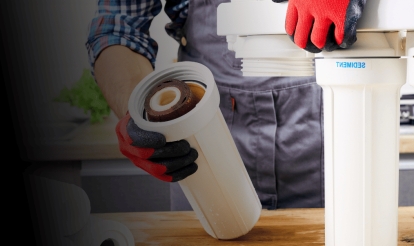
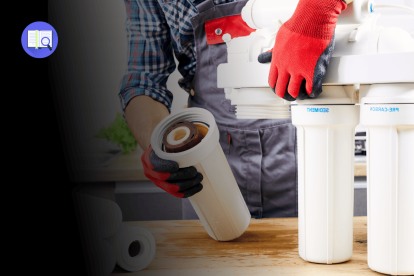
Different components of an RO system have varying lifespans. Pre-filters typically last between 6 to 12 months, depending on water quality and usage.
The RO membrane, which is the core filtration component, can last between 2 to 3 years under normal conditions.
Post-filters usually require replacement every 12 months to maintain water taste and quality.
Factors That Affect Filter Lifespan
The lifespan of RO filters is influenced by several factors. Water quality plays a major role, as higher levels of contaminants will cause filters to clog more quickly.
Usage frequency also affects lifespan, with higher consumption leading to faster wear.
Proper maintenance and system design can help extend filter life and improve overall performance.
Signs That Your RO Filter Needs Replacement
There are several indicators that your RO filters may need to be replaced. A noticeable decrease in water flow is often one of the first signs.
Changes in water taste or odor may also indicate that filters are no longer functioning effectively.
In some cases, systems with digital monitoring may display alerts when replacement is required.
Risks of Delayed Replacement
Failing to replace RO filters on time can lead to multiple issues. Reduced filtration efficiency can compromise water safety.
Clogged filters can strain the system, potentially causing damage and increasing maintenance costs.
In extreme cases, bacteria buildup may occur, leading to health risks.
Best Practices for RO Maintenance
To ensure optimal performance, it is recommended to follow a regular maintenance schedule. Keep track of installation dates and usage patterns.
Using high-quality filters and components can also improve durability and performance.
Regular system cleaning and inspection help maintain efficiency and extend lifespan.
Kronex AquaFlow™ Maintenance System
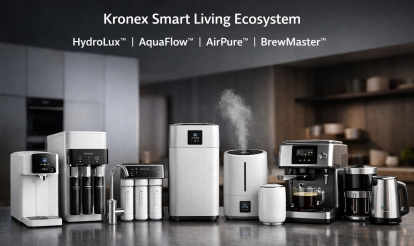
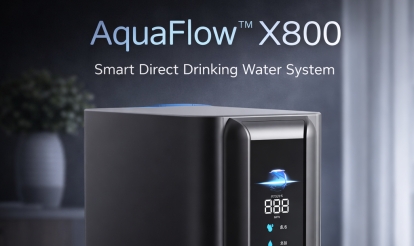
Kronex AquaFlow™ systems are designed with user-friendly maintenance features, including filter life indicators and smart monitoring.
This allows users to easily track system performance and ensure timely filter replacement.